
What Metal Should Your Engagement Ring Be Made Of?

The short answer: platinum is the most durable and prestigious, white gold is the most popular, yellow gold is having a strong resurgence, and rose gold is warm and romantic. Each has genuine advantages and trade-offs. The right choice depends on your partner’s skin tone, lifestyle, aesthetic, and how much maintenance they want.
Platinum

Platinum is the premium choice — denser, rarer, and more durable than gold. It’s naturally white and stays white (white gold is yellow gold alloyed and plated to appear white; the plating wears over time and needs occasional re-application). Platinum develops a patina over decades that many people love. It’s the best choice for securing precious stones, which is why most high-end stone settings are platinum.
Trade-off: Platinum is significantly more expensive than gold and heavier on the finger.
Best for: Partners who want the highest durability and prestige, and who prefer a cool, white-silver tone that never needs replating.


White Gold

White gold is a common choice for engagement rings. It has a bright, modern look, with a bit of a vanilla hue, not actually that close to platinum, but at a somewhat lower price point. The main thing to know; white gold is yellow gold mixed with white metals (typically palladium or nickel) and many jewelers coat their white gold with rhodium plating.
We’re philosophically opposed to adding plating to fine jewelry, because of the maintenance, but do offer the service. We think white gold is a beautiful color in its natural state with a lovely warm vanilla hue. It’s especially great as an accent for gemstones with a warmer color like desert diamonds, green sapphires, and similar beautiful warm tone gemstones.
The key thing is, plating wears over time — most rings need replating every 2–5 years to maintain their white appearance. This is a service that needs done periodically to keep the bright white faux platinum color intact.
Best for: Partners who want a contemporary warm white-metal look at a more accessible price.


Yellow Gold

Yellow gold is experiencing a strong return across all of fine jewelry, and for good reason: it’s warm, timeless, and flattering on a wide range of skin tones. 14k yellow gold is the most durable for everyday wear (18k is slightly softer but richer in color). Yellow gold requires no plating and maintains its appearance without maintenance.
Best for: Partners with warm or olive skin tones, those drawn to vintage or Art Deco aesthetics, or anyone who wants a warm, classic look that needs no upkeep.


Rose Gold

Rose gold — yellow gold alloyed with copper — has a warm, pinkish tone that many people find distinctively romantic. Like yellow gold, it requires no plating. The copper content makes 14k rose gold slightly harder than yellow gold of the same karat, which is an advantage for daily wear.
Best for: Partners who want something warm and romantic with a distinctive color that stands apart from traditional choices.


Mixed Metals

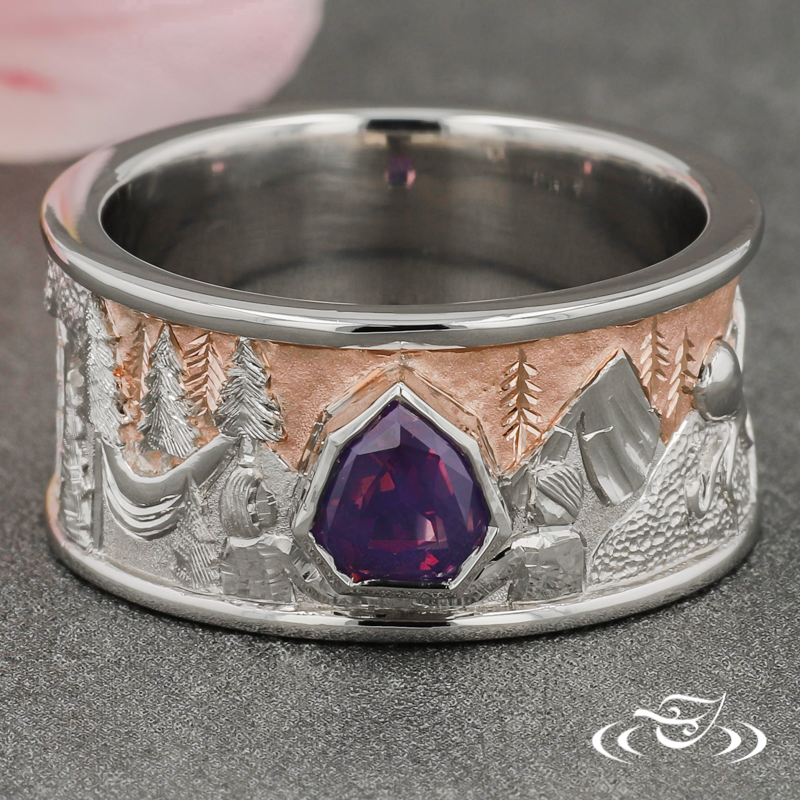
One of the genuine advantages of a custom ring is that you’re not limited to one metal. We regularly build rings that combine yellow gold with a platinum setting to secure the stone, or white gold shanks with rose gold accent details. The combination can be beautiful and practical.


Our designers will walk you through the options at your consultation. Book at greenlakejewelry.com — Seattle, Bellevue, and fully remote.